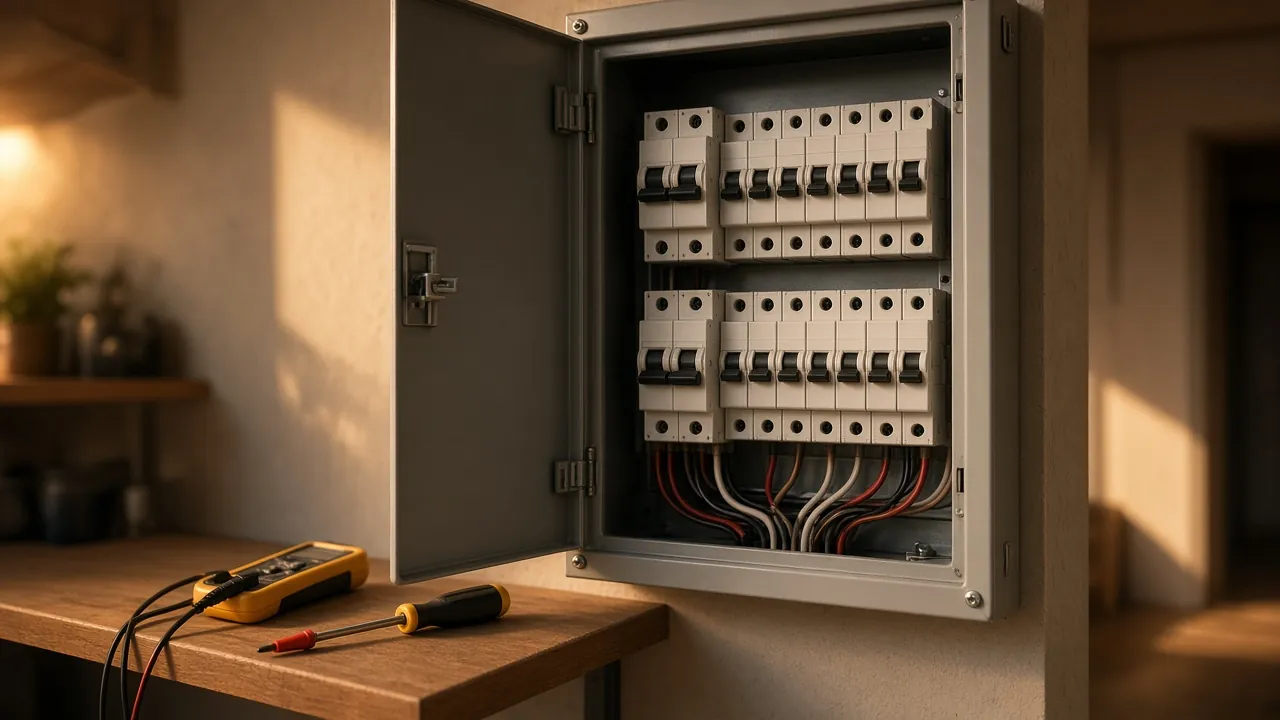
In the quiet hum of your home, tucked away in your basement, garage, or utility closet, lies a unsung hero: your electrical panel. It’s the beating heart of your home’s power supply, the traffic controller for every appliance, light switch, and charging port. Most of us rarely give it a second thought – until something goes wrong. Then, the blinking lights, the tripping breakers, or worse, the burning smell, suddenly thrust this metal box into the spotlight. You might instinctively reach for the breaker, flipping it back on, but what if that’s just a bandage on a much bigger issue? What if your home’s electrical panel, the very foundation of its power, is outdated, undersized, or even unsafe?
This isn't about a simple repair; it's about understanding a critical home upgrade that not only enhances safety and convenience but also prepares your home for the future. An electrical panel upgrade isn't always obvious, and it’s a job strictly for qualified professionals. But by recognizing the tell-tale signs, you can make informed decisions and partner effectively with your electrician. Let’s pull back the curtain on this vital component and empower you with the knowledge to know when it's time to go beyond the basic fix.
Disclosure: How we researched this: we compiled this guide from the public sources named in the text, and did not test the products ourselves. Our editorial policy explains how we choose and check sources.
The Silent Signs: Is Your Electrical Panel Struggling to Keep Up?
Modern life demands a lot from our electrical systems. We're charging multiple devices simultaneously, running energy-efficient (but still power-hungry) appliances, and embracing smart home technology. Your home, especially if it's older, might have an electrical panel designed for a different era – an era of fewer gadgets and simpler electrical needs. Here are the clear indicators that your panel might be on its last legs or, at the very least, woefully inadequate:
1. Frequently Tripping Breakers: The Warning Signals
If your circuit breakers are tripping on a regular basis, don't dismiss it as a minor annoyance. While an occasional trip can happen if you overload a single outlet with too many devices, frequent tripping, especially when you're not doing anything unusual, is a major red flag. It indicates that circuits are consistently overloaded, forcing the breaker to do its job – interrupting the flow of electricity to prevent overheating and potential fires. A struggling panel might not have enough individual circuits to distribute power safely or its main breaker might be undersized for your home's total demand.
2. Flickering or Dimming Lights: A Power Shortage
Do your lights flicker or dim when an appliance, like your refrigerator compressor kicks on, or when you plug in a hairdryer? This isn't just a quaint old-house charm; it’s a sign that your electrical system is struggling to deliver consistent voltage. Your panel might be experiencing 'voltage drop,' meaning there isn't enough power to supply all the demands simultaneously, leading to noticeable dips in lighting. This can not only be annoying but can also reduce the lifespan of your appliances and electronics.
3. The Smell of Trouble: Burning Odors and Scorched Outlets
This is a critical, immediate danger sign. If you ever detect a burning smell near your electrical panel, outlets, or from light switch plates, power down your main breaker immediately (if it’s safe to do so and you know where it is) and call an emergency electrician. That smell often indicates overheating wires, insulation, or components, which is a direct precursor to an electrical fire. Similarly, discolored or scorched outlets are screaming for professional attention.
4. Outdated Fuses vs. Breakers: A Relic of the Past
Does your home still rely on a fuse box rather than a circuit breaker panel? While not inherently unsafe if properly maintained, fuse boxes are less convenient and often a tell-tale sign of an extremely old electrical system. Fuses blow and need to be replaced, while breakers merely trip and can be reset. More importantly, fuse boxes are almost always indicative of a system that cannot handle modern electrical loads and often lack safety features found in newer panels, like ground fault circuit interrupters (GFCIs) and arc fault circuit interrupters (AFCI).
5. The Panel Buzz: Strange Sounds and Vibrations
Your electrical panel should operate quietly. Any buzzing, humming (beyond a very faint, normal hum), or rattling sounds coming from the box are cause for concern. These noises can indicate loose wiring, arcing, or other electrical faults that need immediate investigation by an expert.
6. Two-Pronged Outlets: Signs of a Grounding Problem
If most of your outlets are still the old two-pronged kind, it means your home fundamentally lacks grounded electrical circuits. Modern appliances and electronics are designed with three-prong plugs specifically for safety – the third prong provides a ground path for electricity, preventing shocks and protecting equipment. An old panel often goes hand-in-hand with an ungrounded system, making an upgrade essential for safety and appliance compatibility.
7. Rust and Corrosion: The Enemy Within
Open your electrical panel (only if you feel comfortable and understand the risks, otherwise have an electrician do it) and look for signs of rust or corrosion. This can occur due to moisture exposure and can degrade the integrity of the panel’s components, leading to loose connections and dangerous electrical faults. Water and electricity are a deadly combination.
The Proactive Play: When an Upgrade Isn't Just a Fix, But an Investment
Sometimes, an electrical panel upgrade isn't driven by problems but by progression. Here are scenarios where proactive upgrading makes eminent sense:
1. Major Home Renovations or Additions
Planning to add a new extension, transform your basement into a living space, or redo your kitchen with high-end appliances? These projects will significantly increase your home’s electrical demand. A new panel ensures your expanded power needs are met safely and efficiently, often a requirement by code for such extensive work.
2. Installing High-Power Appliances or EV Chargers
Thinking of getting a tankless water heater, a hot tub, a sauna, or an electric vehicle (EV) charger? These are major electrical draws. Your existing panel might simply not have the capacity (amperage) or the available circuits to support them. An upgrade will be necessary to power these additions without overloading your system.
3. Boosting Home Value and Future-Proofing
If you're considering selling your home, an updated electrical panel is a major selling point and can improve your home's inspection report. It signals to potential buyers that the home is safe, modern, and ready for their increasing power needs. Even if you're staying put, an upgrade can future-proof your home for upcoming technologies and save you headaches down the line.
4. Insurance Requirements
Some insurance companies may require an electrical panel upgrade for older homes, especially if they identify outdated wiring or components as a risk. Meeting these requirements can ensure your home remains insurable and potentially lower your premiums.
What to Expect: Your Electrical Panel Upgrade Journey?
So, you’ve identified the need. What happens next? An electrical panel upgrade is a significant undertaking, involving trained and licensed professionals. Here’s a general overview of the process:
1. Professional Assessment and Quote
Your journey begins with a qualified electrician. They will perform a thorough assessment of your current electrical system, including your existing panel, wiring, and your home’s overall electrical needs. They’ll discuss your plans (renovations, new appliances) and help determine the appropriate new panel size (e.g., upgrading from 100 amps to 200 amps, which is common for modern homes) and features. You’ll receive a detailed quote outlining the scope of work, materials, and labour costs.
2. Permitting and Planning
Crucially, an electrical panel upgrade almost always requires a permit from your local municipality. A reputable electrician will handle this process, ensuring all work adheres to local building codes and safety regulations. Never hire someone who suggests bypassing permits; it’s illegal and compromises your safety and insurance.
3. The Installation Day
On the day of the upgrade, your power will need to be shut off – usually for several hours. This impacts every electrical device in your home, so planning ahead is key (think charging phones, food storage, alternative lighting, etc.). The electrician will carefully disconnect the old panel, install the new, larger panel, transfer and re-wire the existing circuits, and ensure all connections are secure and properly terminated. This includes installing new breakers, and often updating the grounding system for enhanced safety.
4. Inspection and Power Restoration
Once the physical installation is complete, a city inspector will typically review the work to ensure it meets all code requirements. Only after passing inspection will the power be officially restored. Your electrician will then test all circuits to confirm proper operation.
5. Embracing Your New Electrical Capacity
With your new panel in place, you’ll enjoy a safer, more reliable electrical system. You’ll have peace of mind knowing your home is equipped to handle modern demands, free from the worries of flickering lights or tripping breakers. You'll likely have room for future additions and enjoy improved energy efficiency and reduced stress on your appliances.
The Electrician's Perspective: What Your Pro Wants You to Know
Hiring the right professional is paramount. Here’s what reputable electricians want homeowners to understand about this critical service:
- Licensing Matters: Always verify your electrician's license and insurance. This protects you from unqualified work and liability.
- Don't DIY: "This is NOT a DIY project. The risks of severe injury, fire, or even death are extremely high when dealing with your home’s main power supply."
- Transparency is Key: "We want to explain everything in plain language so you understand the 'what' and 'why' behind the upgrade. Ask questions!"
- Permits Protect You: "Insist on permits. They ensure the work is up to code and inspected for your safety and future home value."
- Future-Proofing is Smart: "Consider not just your immediate needs but what you might add in the next 5-10 years. Planning for a slightly larger capacity upfront can save you money later."
- Invest in Quality: "A cheap quote often means cutting corners. This is one area where investing in quality materials and experienced labour pays dividends in safety and longevity."
Your home’s electrical panel is more than just a metal box; it's the guardian of your comfort, convenience, and most importantly, your family's safety. Ignoring the signs of a struggling or outdated panel can lead to serious risks and costly problems down the line. By recognizing the warning signals and understanding the benefits of a professional upgrade, you're not just fixing a component; you're investing in the health and future of your entire home. When in doubt, call a licensed electrician. Their expertise is the ultimate power trip you need – in a good way!
Sources and further reading
Official and primary sources covering the topics in this article:
- Approved Document P: electrical safety (GOV.UK): background on rules for electrical work in homes.
- NICEIC: background on finding a registered electrician.
- Electrical Safety First: background on UK electrical safety advice.
Last updated: 2026-04-25 · Fact-checked by editorial team
Content Attribution: All content on TradesNearMe Lead Gen is original. External sources are attributed where applicable. Trademarks belong to their respective owners.