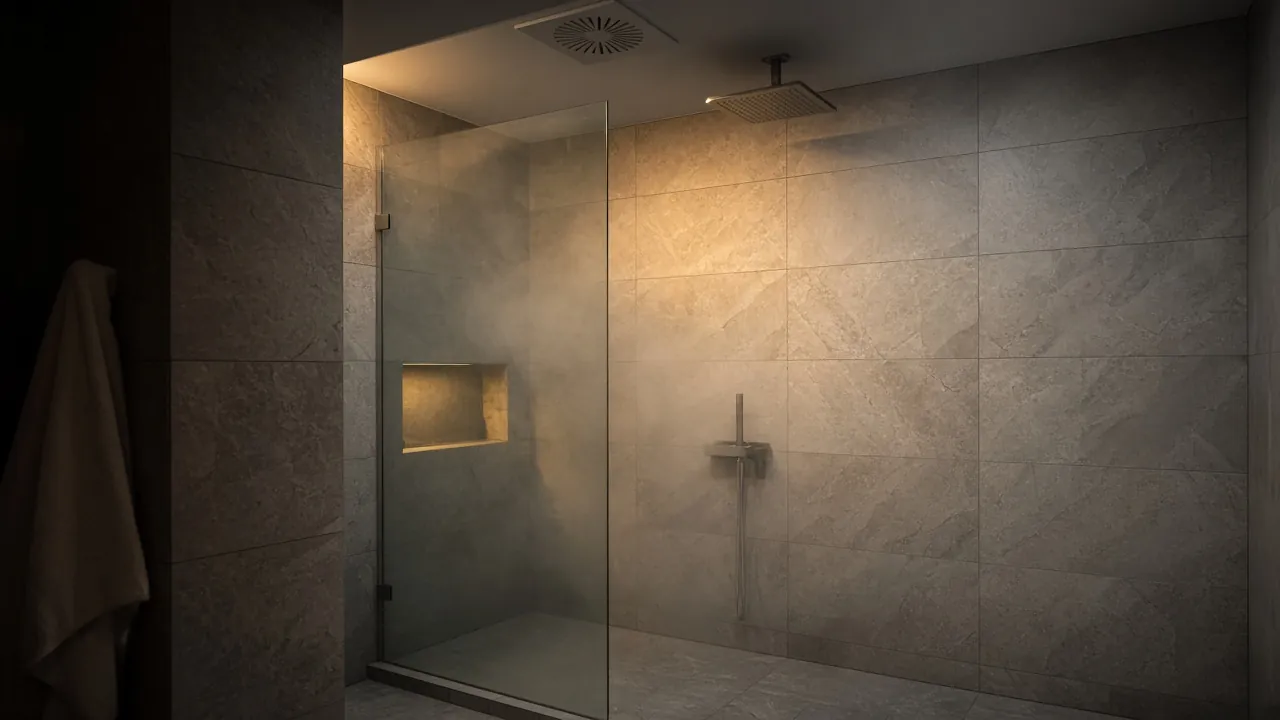
We’ve all seen the stunning bathroom makeovers on TV – gleaming tiles, opulent fixtures, and showers that look more like spa retreats than everyday necessities. And while aesthetics certainly play a role in creating a space you love, what if I told you that the hidden mechanics and design choices of your shower could be quietly impacting the health of your entire home and, ultimately, your bank account? It’s not just about looking good; it’s about preventing mildew, improving air quality, and saving on costly repairs down the line.
Let's dive deep into the often-overlooked technical and lifestyle implications of your shower, exploring how smart design can lead to a healthier home and a happier wallet.
Disclosure: How we researched this: we compiled this guide from the public sources named in the text, and did not test the products ourselves. Our editorial policy explains how we choose and check sources.
The Silent Enemy: Moisture and Its Destructive Power
Your shower is, by its very nature, a moisture factory. Every hot shower releases a flood of warm, humid air into your bathroom. While you might consider this a minor inconvenience, your home sees it differently. Prolonged exposure to excess moisture creates a perfect breeding ground for a host of unwelcome guests:
- Mould and Mildew: These unsightly fungi don’t just mar grout lines; they can spread to walls, ceilings, and even behind drywall. Beyond the visual appeal, mould can trigger allergies, asthma attacks, and other respiratory issues, especially for sensitive individuals.
- Wood Rot: Continual exposure to moisture can cause wooden studs, joists, and subflooring to soften, weaken, and eventually rot. This compromise your home’s structural integrity and lead to expensive, extensive repairs.
- Peeling Paint and Warping Finishes: High humidity causes paint to bubble and peel, wallpaper to lift, and wooden cabinetry to warp and crack. This diminishes the look of your bathroom and depreciates its value.
- Pest Infestations: Many common household pests, including silverfish, cockroaches, and even termites, thrive in damp environments. A persistently humid bathroom can become an unintentional welcome mat for these creatures.
So, how does your shower design play into this?
Ventilation: Your First Line of Defence
The single most critical element in combating moisture is adequate ventilation. Without it, all that steamy air has nowhere to go but into your drywall, ceiling, and beyond. This is where your exhaust fan comes in, or, surprisingly, where its absence or inadequacy becomes a major problem.
The Right Fan for the Job
Not all bathroom exhaust fans are created equal. Many older homes have fans that are simply too small or too weak to effectively remove moisture from the space. Here’s what to look for:
- CFM (Cubic Feet per Minute) Rating: This measures how much air the fan moves. A good rule of thumb is to calculate 1 CFM per square foot of bathroom area, with a minimum of 50 CFM for smaller bathrooms. For larger bathrooms or those with high ceilings, you’ll need a higher CFM.
- Sones Rating: This measures how loud the fan is. A lower Sone rating (e.g., 1.0 or less) means a quieter operation, encouraging you to use it more often. Many outdated fans are so noisy that homeowners avoid turning them on, defeating the purpose.
- Proper Ducting: A fan is only as good as its ductwork. Ensure the fan vents directly outside, not into an attic or wall cavity, where the expelled moisture would simply condense and cause problems elsewhere.
- Smart Switches: Consider a fan with a timer switch (so it runs for 15-20 minutes after you leave the shower) or even a humidity sensor that automatically kicks on when moisture levels rise.
Lifestyle Tip: Make it a habit to run your exhaust fan before, during, and for at least 15-20 minutes after every shower. This simple habit can drastically reduce moisture buildup.
Shower Enclosure Design: Keeping Water Where It Belongs
The physical design of your shower enclosure is another critical aspect of moisture control and preventing structural damage.
Curtains vs. Doors: More Than Just Aesthetics
- Shower Curtains: While budget-friendly, curtains are notoriously less effective at containing water. Splashes can easily escape, wetting floors and walls. They also tend to trap moisture against themselves, leading to mould and mildew on the curtain itself if not regularly cleaned and aired out.
- Shower Doors (Framed vs. Frameless): Glass doors offer superior water containment. Framed doors, with their metal edges and seals, are generally excellent at preventing leaks. Frameless doors, while sleek and modern, require precise installation and often have small gaps or seals that need careful maintenance to prevent water from escaping.
The Importance of a Proper Slope and Curb
The shower pan or base isn't just a flat surface. It needs a slight but definite slope towards the drain to ensure all water flows away and doesn't sit stagnant. A poorly sloped pan can lead to puddling, which promotes mould growth and can even seep beneath the pan itself. The shower curb (the raised edge you step over) is equally crucial, acting as a barrier to keep water fully contained within the shower area.
Tiling, Grout, and Sealants: The Invisible Guardians
- Proper Tile Installation: Tiles themselves are waterproof, but the way they are installed underneath is paramount. A waterproof membrane (like Schluter-Kerdi or similar systems) behind the tile is essential. This acts as a secondary barrier, preventing any moisture that might penetrate the grout from reaching the drywall or wooden studs.
- Grout Selection and Sealing: Grout is porous and can absorb water. While standard cementitious grout is common, it absolutely requires regular sealing (every 6-12 months for high-traffic showers). Epoxy grout, while more expensive, is naturally waterproof and stain-resistant, offering superior long-term performance and less maintenance.
- Caulking: The flexible sealant around the perimeter of the shower, where the tile meets the wall or the shower pan, is vital. Old, cracked, or missing caulk is a direct expressway for water to get behind your walls. Inspect and recaulk annually or at the first sign of wear.
Water Pressure and Shower Head Choices: An Energy Perspective
Believe it or not, your shower head choice and water pressure can directly impact your energy bills.
Low-Flow Shower Heads: Not Just for Eco-Warriors
Modern low-flow shower heads, often rated at 2.5 gallons per minute (GPM) or less, are designed to deliver a satisfying shower experience while significantly reducing water consumption. Less hot water used means less energy spent heating that water. This translates directly into savings on both your water and energy bills.
Water Heater Efficiency
Beyond the shower head, consider the type and age of your water heater. An old, inefficient tank-style water heater might be constantly heating water you're not even using. Upgrading to a tankless water heater (which heats water on demand) or a more efficient tank model can drastically reduce the energy required for your daily showers, saving you hundreds of dollars per year.
Long-Term Value and Maintenance: Investing in Your Home's Future
While some of these design considerations might seem like extra expenses upfront, they are ultimately investments in the long-term health and value of your home.
- Preventative Maintenance Saves Money: Addressing potential moisture issues during a shower renovation is infinitely cheaper than fixing widespread mould remediation or structural wood rot years down the line.
- Healthier Living Environment: A dry, mould-free home is simply a healthier place to live. Reducing allergens and irritants contributes to better respiratory health for everyone in your household.
- Increased Resale Value: A well-designed, functional, and aesthetically pleasing bathroom with no hidden issues is a huge selling point. Potential buyers are increasingly savvy about checking for signs of water damage, and a solid, healthy bathroom can significantly boost your home’s market appeal.
- Reduced Utility Bills: From efficient water heating to effective moisture removal, smart shower design choices contribute to lower monthly operating costs for your home.
When to Call a Professional: Don't DIY Everything?
While you can certainly handle minor tasks like recaulking or cleaning grout, major shower design decisions, installations, or repairs should ideally be left to experienced professionals. This includes:
- Shower Pan or Base Replacement: Ensuring proper slope and waterproofing is critical.
- Tile Installation with Waterproofing: The membrane system must be installed flawlessly.
- Exhaust Fan Installation or Upgrade: Proper sizing, ducting, and electrical work are essential.
- Diagnosing Persistent Leaks or Mould: If you see signs of water damage behind walls or extensive mould, a professional can accurately assess the source and extent of the problem.
- Water Heater Replacement: This involves plumbing, gas lines (if applicable), and electrical work that requires expert knowledge.
Seeking out qualified plumbers, tile contractors, or general contractors ensures the job is done correctly, adheres to building codes, and provides the long-lasting solutions your home deserves. Look for tradespeople with good reviews and a track record of quality work, especially when it comes to moisture-sensitive areas like bathrooms.
Conclusion: Your Shower's Unsung Role
Your shower is far more than just a place to get clean. It's an intricate system whose design, materials, and maintenance directly influence the moisture balance, air quality, energy consumption, and structural health of your entire home. By paying attention to details like proper ventilation, water containment, secure waterproofing, and energy-efficient fixtures, you’re not just creating a beautiful bathroom experience; you’re making a smart investment in your home’s well-being and your family’s comfort for years to come. So next time you step into your shower, remember its unsung role in maintaining a healthy and cost-effective home.
Sources and further reading
Official and primary sources covering the topics in this article:
- Approved Document F: ventilation (GOV.UK): background on ventilation and moisture rules.
- Approved Document G: sanitation, hot water safety and water efficiency (GOV.UK): background on building regulations for bathrooms, hot water and water efficiency.
- TrustMark: background on government-endorsed quality scheme for trades.
Related Articles
- Hidden Home Health Hazards Hvac Maintenance
- Hidden Cost Bargain Hvac Repair Wallet Will Freeze
- Smart Home Trades Unexpected Long Tail
From Our Network
Last updated: 2026-04-25 · Fact-checked by editorial team
Content Attribution: All content on TradesNearMe Lead Gen is original. External sources are attributed where applicable. Trademarks belong to their respective owners.