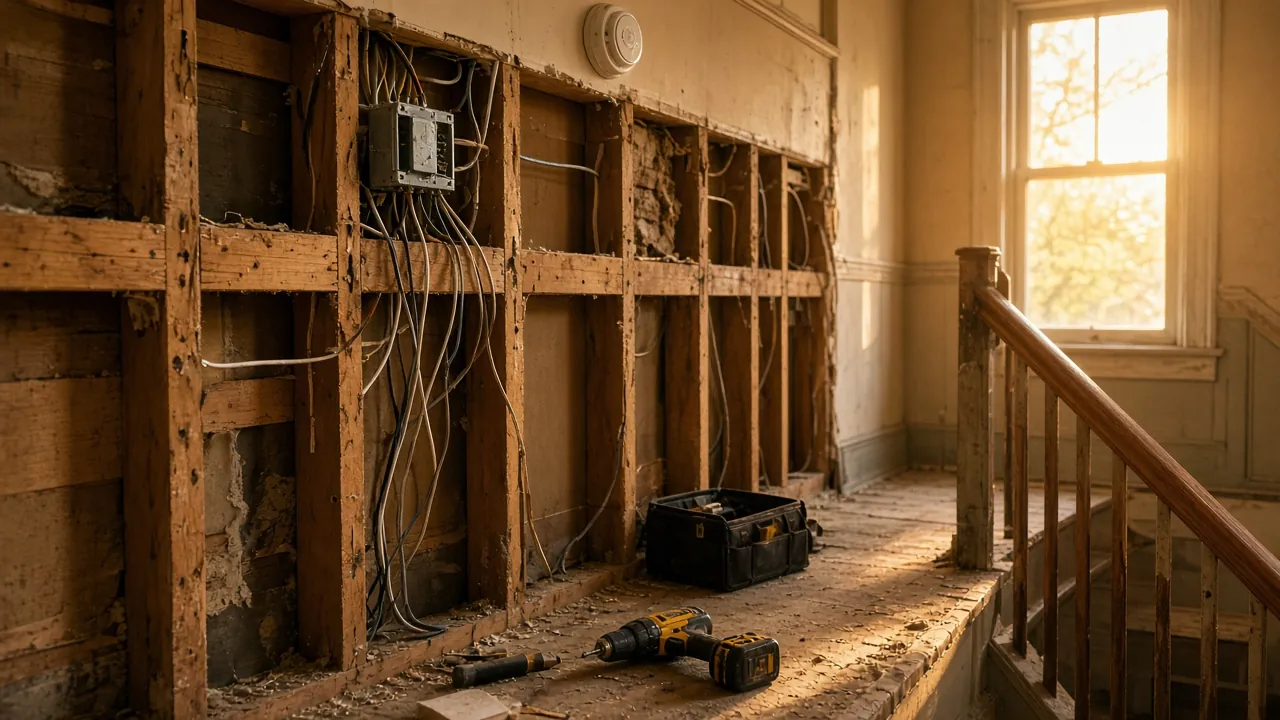
Common Code Violations to Avoid: A Homeowner's Guide
Introduction
For many homeowners, the thought of navigating building codes can be daunting. These regulations, often perceived as complex and restrictive, are fundamentally designed to ensure the safety, durability, and health of our living environments. However, even with the best intentions, it's easy to unintentionally violate building codes, leading to costly fines, forced repairs, and potentially dangerous living conditions. This guide aims to shed light on the most common building code violations homeowners inadvertently commit and provide practical advice on how to avoid them, ensuring your home remains a safe, compliant, and valuable asset.
Why Code Violations Occur?
Understanding the root causes of code violations can help homeowners prevent them:
- Lack of Awareness: Many homeowners are simply unaware of the specific code requirements for various projects.
- DIY Enthusiasm: While admirable, overconfidence in DIY skills without adequate research or professional consultation can lead to serious oversights.
- Skipping Permits: Attempting to bypass the permit process to save time or money is a common pitfall. This crucial step ensures professional inspections, which catch potential hazards.
- Outdated Information: Relying on old building codes or informal advice from friends rather than consulting current local regulations.
Most Common Building Code Violations to Watch Out For:
1. Unpermitted Work: The Root of Many Evils
This is arguably the most frequent and impactful violation. Any significant change to your home's structure, electrical, plumbing, or mechanical systems typically requires a permit. Ignoring this means:
- No Inspections: Crucial safety checks are missed, leaving potential hazards unchecked.
- Lack of Documentation: Unpermitted work might not be officially recorded, causing issues during resale or insurance claims.
2. Electrical Violations: Shocking Risks
Faulty electrical work is a leading cause of home fires. Common mistakes include:
- Improper Wiring: Using the wrong wire gauge for circuits, faulty grounding, or using indoor-rated wiring in outdoor or wet locations.
- Overloaded Circuits: Plugging too many high-draw appliances into one circuit, leading to tripped breakers and fire risks.
- DIY Panel Work: Attempting to alter or upgrade the electrical panel without a licensed electrician is extremely dangerous and almost always illegal.
- Lack of GFCIs/AFCIs: Failing to install Ground Fault Circuit Interrupters (GFCIs) in bathrooms, kitchens, laundries, and outdoors, and Arc Fault Circuit Interrupters (AFCIs) in bedrooms, as required by modern codes.
3. Plumbing Violations: When Water Goes Rogue
Bad plumbing can lead to water damage, mould, and health issues. Common permit-related mistakes include:
- Incorrect Pipe Materials: Using incompatible or non-code-compliant pipes and fittings for water supply or drainage.
- Improper Venting: Drainage systems require proper venting to prevent sewer gas from entering the home and to ensure efficient drainage. Incorrect venting leads to foul odors and slow drains.
- Illegal Connections: Connecting to public water or sewer lines without proper permits and backflow prevention devices.
- Water Heater Issues: Incorrect installation of pressure relief valves, improper venting of gas water heaters, or failing to properly strap water heaters for seismic safety.
4. Structural Violations: Compromising Your Home's Bones
Changes to your home’s fundamental structure are among the most critical areas for code compliance:
- Removing Load-Bearing Walls: Doing so without engineering approval and installing proper temporary and permanent support can lead to sagging floors, cracked walls, and even catastrophic collapse.
- Improper Deck and Balcony Construction: Inadequate footings, insufficient fastening to the house, or railings that don't meet height and spacing requirements are common issues.
- Foundation Problems: DIY foundation repairs or alterations can compromise the stability of your entire home.
5. Fire Safety Violations: Overlooked Protections
Even seemingly minor details can have major fire safety implications:
- Insufficient Smoke/Carbon Monoxide Detectors: Failing to install enough detectors, or placing them in incorrect locations (e.g., carbon monoxide detectors outside sleeping areas).
- Improper Egress Windows: Bedrooms are required to have windows of a certain size and height from the floor to allow for emergency exit.
- Fire Separation Issues: In attached garages or multi-family homes, specific fire-rated doors and walls are required to prevent fire spread.
- Blocked Electrical Panels: Storing items in front of electrical panels can hinder emergency access and create a fire hazard.
6. HVAC and Ventilation Violations: Breathing Easy
Proper ventilation is key to indoor air quality and preventing moisture issues:
- Improperly Vented Appliances: Gas furnaces, water heaters, and fireplaces must be vented correctly to the outside to prevent the buildup of dangerous carbon monoxide.
- Unsealed Ducts: Leaky HVAC ducts reduce system efficiency and can introduce contaminants or moisture into the home.
- Bathroom/Kitchen Exhaust Fans: These must vent directly outdoors, not into attics, crawl spaces, or wall cavities, which can lead to mould and mildew.
7. Grading and Drainage Issues: The Water Threat
Poor exterior drainage can lead to foundation damage and water intrusion:
- Negative Grading: When the ground slopes towards your house, directing rainwater directly to the foundation.
- Improper Downspout Discharge: Gutter downspouts that discharge water too close to the foundation rather than diverting it away.
Consequences of Violating Building Codes
The repercussions of ignoring building codes can be severe and far-reaching:
- Legal Implications: This can range from fines and stop-work orders to legal action from local authorities or even neighbours.
- Financial Costs: You might face expensive rework to bring unpermitted alterations up to code. Unpermitted work can also make it difficult to sell your property and can invalidate your home insurance policy in the event of a related claim.
- Safety Risks: Most importantly, code violations create hazards that can compromise the safety and well-being of your family, including electrical fires, structural collapse, gas leaks, and health issues from mould or poor ventilation.
Avoiding Code Violations: Your Proactive Plan
- Always Get Permits: When in doubt, assume a permit is required and contact your local building department. The permit process is designed to protect you.
- Hire Licensed Professionals: For complex work involving electrical, plumbing, HVAC, or structural changes, always engage licensed and insured professionals. They are experts in code compliance.
- Research Local Codes: Utilise your local building department's website or visit their office to understand the specific codes applicable to your area and project.
- Don't Rush: Take your time with renovations. Rushing can lead to oversights and mistakes that result in violations.
- Consider Pre-Renovation Inspections: A professional inspection before starting a major project can identify existing issues and inform your planning.
Conclusion
Understanding and adhering to building codes is not merely a legal obligation; it is a fundamental aspect of responsible homeownership. By being informed about common violations and taking proactive steps—like obtaining permits, hiring qualified professionals, and researching local regulations—you can ensure your renovation projects are not only beautiful but also safe, compliant, and ultimately contribute to the long-term value and integrity of your home. Protecting your family and your investment begins with respecting the rules that govern quality construction.
Disclaimer: This guide provides general information and is not a substitute for professional advice. Always consult with local building authorities and qualified professionals for specific guidance on your renovation project.
Sources and further reading
Official and primary sources covering the topics in this article:
- Building regulations approval (GOV.UK): background on when you need approval for building work.
- Planning permission (GOV.UK): background on when works need planning permission.
- House surveys (GOV.UK): background on types of survey before buying.