Navigating the Home Inspection Process: A Comprehensive Guide for Homeowners
Introduction
Whether you’re buying your first home, selling a cherished property, or simply maintaining your current residence, the home inspection process stands as a critical checkpoint. More than just a formality, a home inspection is a professional, objective visual examination of the physical structure and systems of a house. Its primary purpose is to identify potential issues, from minor defects to significant structural concerns, providing all parties with the crucial information needed to make informed decisions.
Why Home Inspections Are Important?
Ignoring or underestimating the value of a home inspection is a risky gamble. Here’s why this crucial step offers invaluable benefits:
- Identify Hidden Problems: A qualified inspector possesses the expertise and tools to uncover issues that are not readily apparent to the untrained eye. This includes concealed structural damage, subtle plumbing leaks, electrical hazards, or early signs of pest infestations that could become major problems.
- Avoid Costly Repairs: Discovering latent problems early in the process (especially for buyers) allows you to negotiate repairs with the seller, adjust your offer price, or budget for necessary fixes. This proactive approach can save you thousands of pounds in unforeseen expenses down the line.
- Ensure Safety: Inspections prioritise safety, pinpointing hazards such as faulty wiring, outdated electrical panels, gas leaks, or dangerous structural deficiencies that could pose a risk to occupants.
- Make Informed Decisions: Armed with a thorough and detailed inspection report, you gain a clear understanding of the property's condition. This empowers buyers to make educated purchasing decisions and sellers to address issues proactively, enhancing their home's marketability.
- Peace of Mind: For buyers, a clean or well-understood inspection report provides immense peace of mind, confirming that you've conducted your due diligence. For current homeowners, regular inspections can identify maintenance needs before they escalate, ensuring your home remains a safe and sound investment.
Types of Property Inspections
While a general home inspection is the most common, depending on the property's age, location, and specific concerns, you might consider specialised inspections:
- General Property Inspection: This is the standard inspection, providing a broad overview of the home's condition. It typically covers major components like the foundation, structure, roof, exterior, interior, plumbing, electrical, and HVAC systems.
- Pest Inspection: Specifically identifies wood-destroying pests such as termites, borers, and wood rot fungi. Crucial in areas prone to such activity.
- Building and Pest Inspection: Often a combined, cost-effective option covering both general property conditions and pest-related issues.
- Structural Inspection: If there are visible signs of structural compromise or if the property is very old, a structural engineer can conduct an in-depth analysis of the foundation, load-bearing walls, and roof framing.
- Specialised Inspections: These include dedicated assessments for electrical systems, plumbing, roofing, asbestos, radon, lead paint, or mould, typically recommended when specific concerns arise.
What a Home Inspection Covers?
A comprehensive home inspection meticulously examines the accessible components of a house. This generally includes:
- Exterior: Foundation, grading and drainage, exterior walls (siding, trim), windows and doors, roof, chimney, gutters and downspouts, decks, and patios.
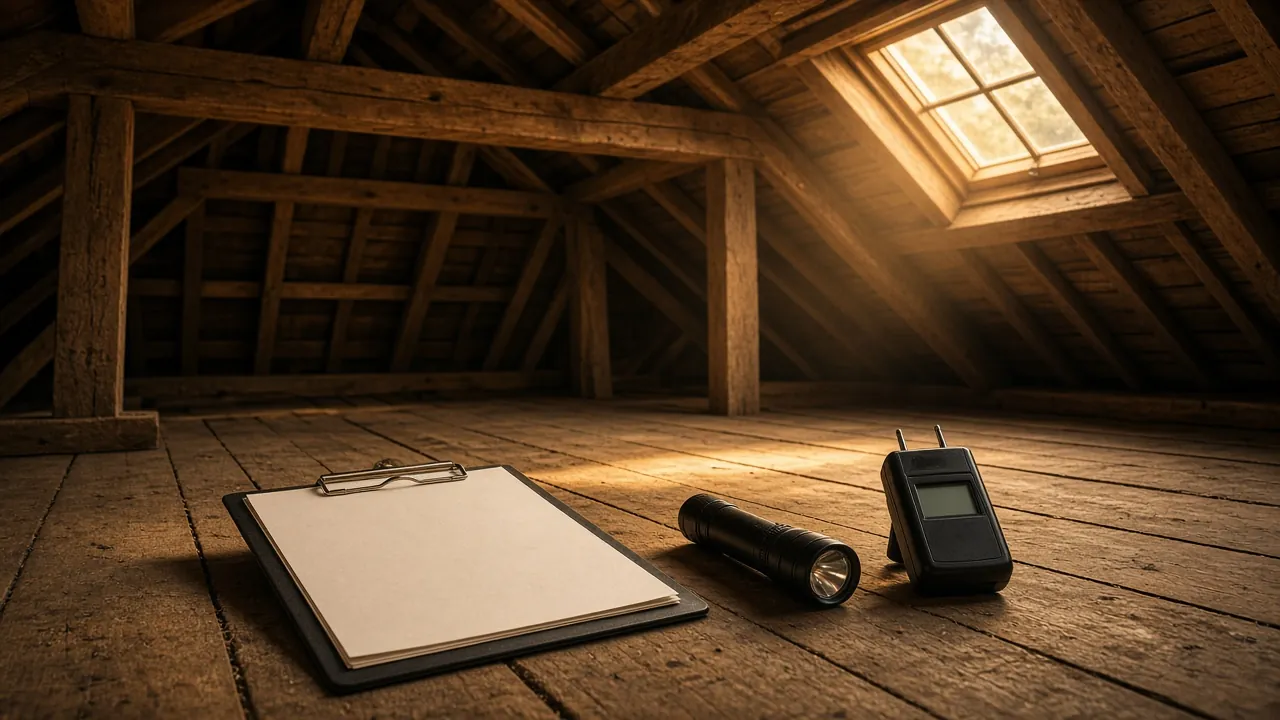
- Interior: Walls, ceilings, floors, windows, doors, and interior stairs. This also extends to the attic (insulation, ventilation, framing) and basement/crawl space (foundation, moisture intrusion, signs of pests).
- Major Systems:
* Plumbing System: Water supply and distribution, drain, waste, and vent systems, water heater, and visible plumbing fixtures.
* Heating, Ventilation, and Air Conditioning (HVAC): Furnaces, air conditioners, ductwork, thermostats, and vents.
* Built-in Appliances: Ovens, dishwashers, garbage disposals, and other permanently installed appliances.
What a Home Inspection Does Not Cover?
It's equally important to understand the limitations of a standard home inspection. Inspectors generally do not:
- Examine behind walls, under floors, or in otherwise inaccessible areas.
- Offer specific compliance with local building codes (they report defects, which may or may not be code violations).
- Address cosmetic issues, such as paint quality or minor aesthetic flaws.
- Inspect outbuildings or detached structures unless explicitly agreed upon.
- Test for environmental hazards like radon, asbestos, or lead paint (these require specialised testing).
- Identify specific pest infestations (this requires a dedicated pest inspection).
Finding a Qualified Inspector
Selecting the right home inspector is paramount. Look for these qualities:
- Licensing and Certification: Ensure the inspector is licensed (where applicable) and certified by a recognised professional organisation (e.g., InterNACHI, ASHI in the US; RICS in the UK). This signifies adherence to industry standards and ethical practices.
- Experience: Prioritise inspectors with several years of experience and a strong understanding of local construction practices and common issues.
- Reputation: Check online reviews, testimonials, and ask for referrals from trusted real estate agents or friends. A solid reputation is a hallmark of quality service.
- Sample Reports: Request examples of their previous inspection reports to gauge their thoroughness and clarity.
Preparing for the Inspection (for Sellers)
If you’re selling your home, a little preparation can go a long way in ensuring a smooth inspection process:
- Clean and Declutter: Ensure all areas are accessible, especially attics, basements, and utility rooms.
- Ensure Utilities Are On: The inspector needs to test electrical, plumbing, and HVAC systems.
- Provide Access: Make sure there's clear access to the electrical panel, water heater, furnace, and any crawl spaces.
- Address Minor Repairs: Fixing small issues beforehand can prevent them from becoming flags in the report.
During the Inspection (for Buyers)
As a buyer, attending the inspection is highly recommended:
- Ask Questions: Don't hesitate to ask the inspector for explanations, especially about their findings or maintenance advice.
- Take Notes and Photos: Document anything that catches your attention or that the inspector highlights.
- Focus on Significant Issues: While minor cosmetic flaws might be noted, prioritise your concerns on major defects that affect safety, structural integrity, or significant costs.
Interpreting the Inspection Report
The inspection report is a detailed document outlining the inspector’s findings. When reviewing it:
- Prioritise Defects: Differentiate between major defects (safety hazards, structural issues, system failures) and minor maintenance items.
- Distinguish Between Repair vs. Maintenance: Not every noted item requires immediate repair by the seller. Some are routine maintenance responsibilities.
- Use as a Negotiation Tool: For buyers, the report can form the basis for negotiating repairs, credits, or a price adjustment.
Conclusion
Navigating the home inspection process with diligence and understanding is a cornerstone of responsible homeownership. It acts as your ultimate due diligence, providing a detailed snapshot of a property’s health. By understanding its purpose, scope, and how to interpret its findings, you empower yourself to make confident, informed decisions, protecting your investment and ensuring the safety and comfort of your home for years to come.
Disclaimer: This guide provides general information and is not a substitute for professional advice. Always consult with local building authorities and qualified professionals for specific guidance on your renovation project.
Sources and further reading
Official and primary sources covering the topics in this article:
- Building regulations approval (GOV.UK): background on when you need approval for building work.
- Planning permission (GOV.UK): background on when works need planning permission.
- House surveys (GOV.UK): background on types of survey before buying.